Surprised at Pentecost
Be brought into the story of God’s ways with the world

For those who may not know, today is Pentecost. Later this afternoon at church, we’ll listen to the lector read the story from Acts 2 and celebrate the so-called birthday of the Church. The truly faithful will remember to wear red (the liturgical color for Pentecost). I was new to all of this last year—still shaking the dirt from my SBC roots when I showed up for worship in a blue dress. I’m grateful our church holds tradition loosely.
I’ve been reading a wonderful little book by Rosalind Brown called Being a Deacon Today: Exploring a distinctive ministry in the Church and in the world. Even if your church is non-liturgical or you are not a deacon, I recommend it anyway. It is full of rich spiritual and practical wisdom for ministry inside and outside of the local church.
As I read through chapter 4 (“The Deacon and the Liturgy”), this quote caught my attention:
Sensitivity to the liturgical ebb and flow of the Church year can be an enormous resource that the deacon brings, unobtrusively, but with great effect, to liturgical ministry among occasional worshipers who come for a particular service associated with a transition in life. But that sensitivity has to be nourished in the minister‘s own public and private prayer life. The deacon who has learned to wait in Advent, to rejoice at Christmas and Easter, to repent in Lent, to wonder at Ascension, and to be surprised at Pentecost is being equipped to help people bring their daily lives into the story of God’s ways with the world. (p. 58)
I’m still learning to be sensitive to the ebb and flow of the Church year, but Pentecost is a favorite holy day of mine. It’s a celebration of the miraculous—fire, wind, revelation, and long-awaited promises fulfilled—that leads us right into Ordinary Time. If we pay attention to the story of Scripture, we know that this is how it goes. Theophanies are usually short-lived. They are liminal moments that usher us across the threshold into much longer seasons of walking by faith rather than sight.
Pentecost also reminds us that miracles manifest in everyday moments of worship, wonder, prayer, communion, friendship, learning, beauty, waiting, and conversation. Even ordinary, old stained glass windows in the small neighborhood church can glow like the fiery presence of the Spirit in the late afternoon sun.
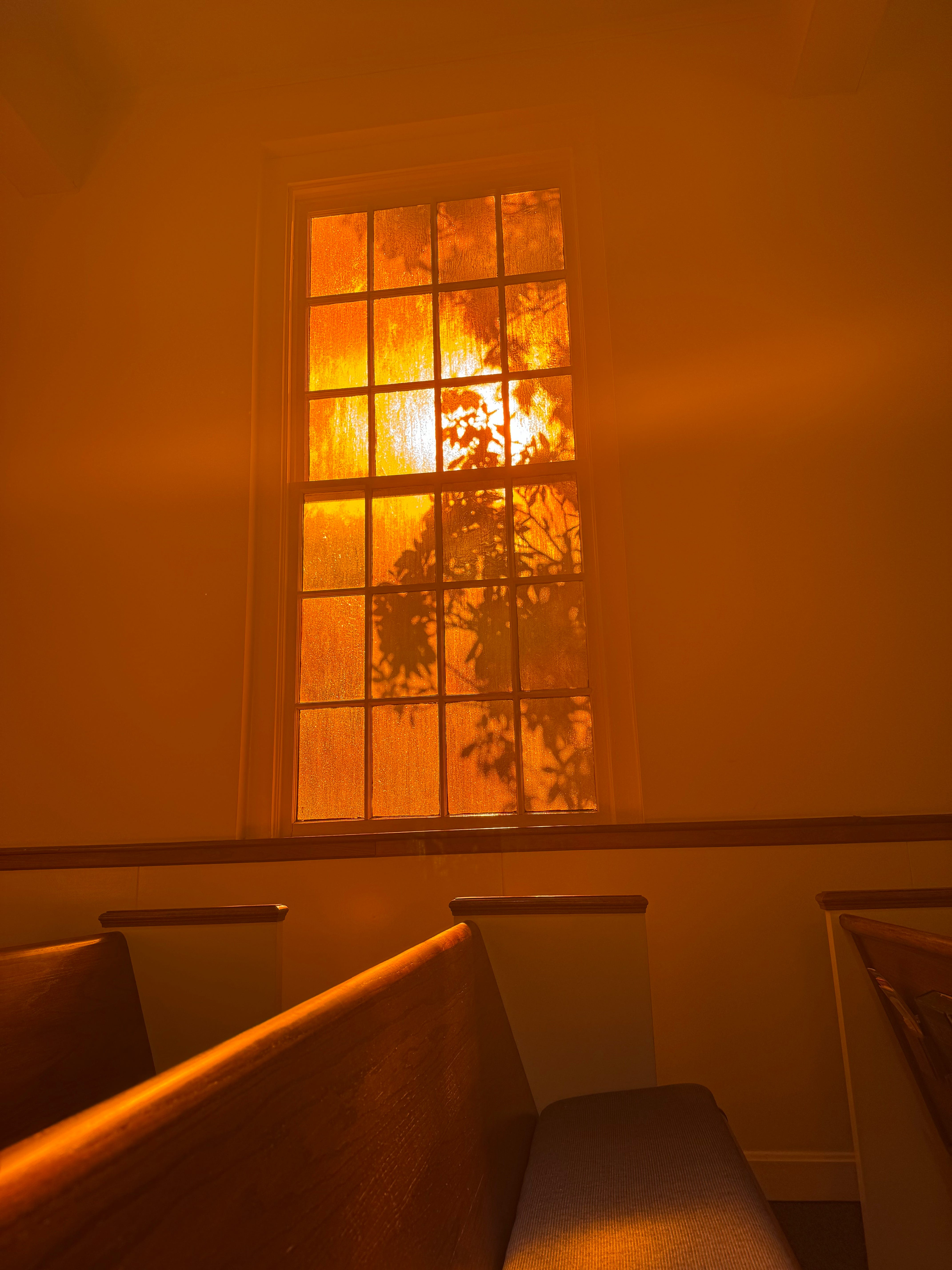
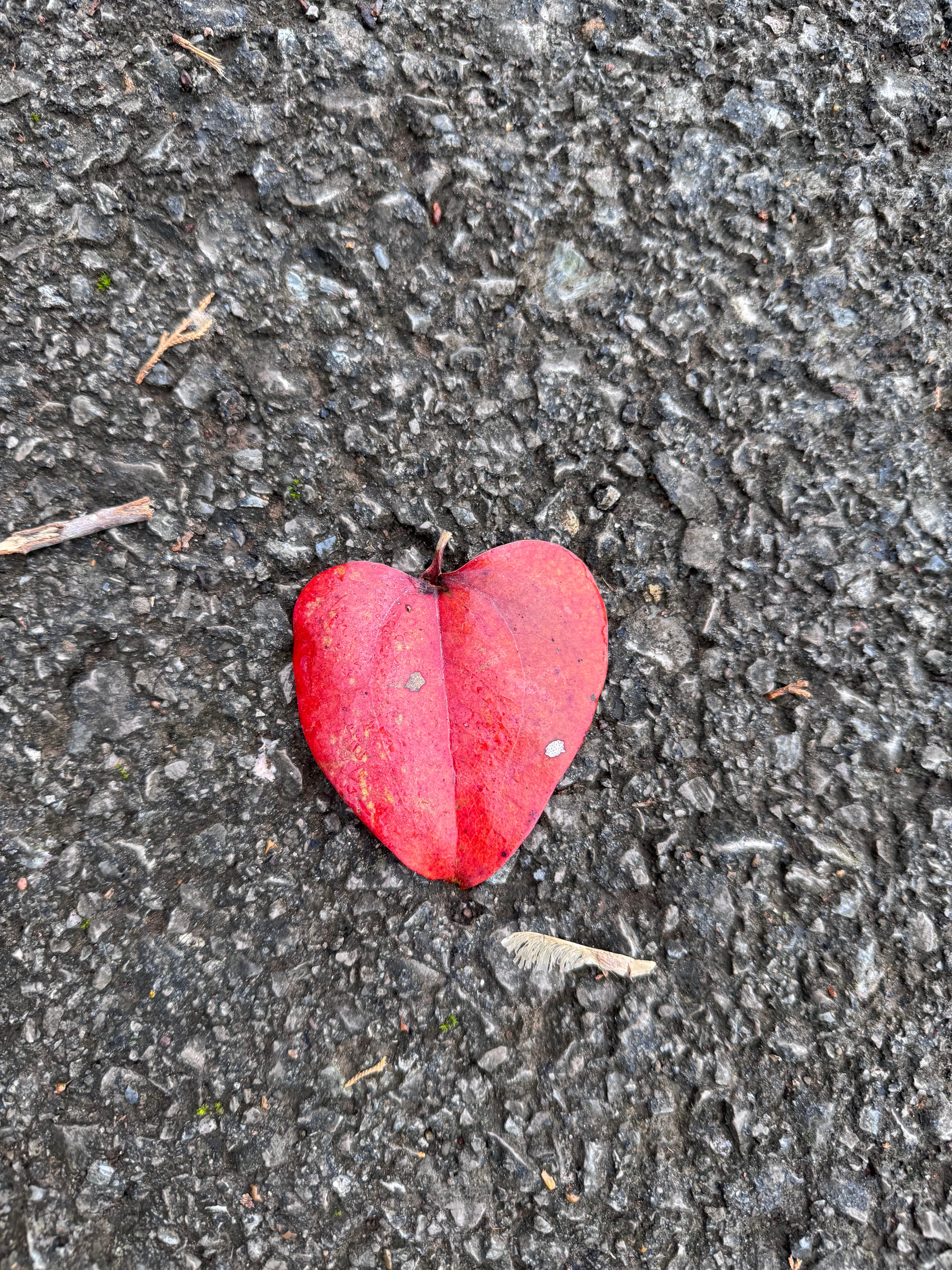
Two years ago I visited St. Mary of Bethany Parish for the first time, unaware that it was the first Sunday after Pentecost. The priest spoke about the Spirit and how it is like the wind. We don’t know where it comes from or where it’s going (John 3). Six months later, toward the end of autumn when all the leaves had fallen from the trees, I was out walking the dog on a brisk and breezy afternoon. Suddenly, a gust of wind swept up a bunch of leaves piled against the curb, scattering and suspending them high in the air for what seemed like a long time. I stood still, watching in awe and wonder as lifeless leaves became animated—dancing and swirling and tumbling joyfully—until the wind softened and released its grip.
Henri Nouwen wrote in Discernment: Reading the Signs of Daily Life that “God’s first language is nature” and that “the closer we come to nature, the more we touch the spirit of life.”1 As the leaves rocked back and forth on their slow descent back to earth, I knew I had touched the spirit of life (or maybe it had touched me), and I said a little prayer.
Lord, let me be like the leaves. Let me be caught up in your wind.
That may seem silly, but this is daily life being brought into the story of God’s ways with the world. And now, two years after that first visit and sermon from John 3, I am in the process of ordination. Surprise!
God’s ways can be mysterious and not always easy to discern. In the forward to Discernment, Robert A. Jonas wrote that “Henri believed that we can discern the depths of our lives and vocation only if we surrender our ego-centered view of reality. As everyone knows, this is hard to do. It is unsettling, even scary, to relinquish who we think we are, and scary to stop clinging to what we have and what we do.”2
Thankfully, our tradition requires discernment committees for those considering ordination, and I might have the best one. A priest, a deacon, a spiritual director (this sounds like the beginning of a bad joke), and a lay person all agreed to walk alongside me as I discern my calling. They are generous with their time, wisdom, and attention. They have patiently listened to my story and my questions (Is this a real calling? Are my intentions good? What if I’m wrong?) We have laughed together over meals, swapping funny stories about church and life. They pray for me, and I thank them repeatedly. I wish everyone could have a discernment committee like mine. They make the discernment process fun. Surprise!
Again, to quote Nouwen, “God speaks regularly to us through people who talk to us about the things of God. Certain people become living signs that point us to God. Whether in life or in memory, the people God puts in our lives can help guide us and show us the way.”3
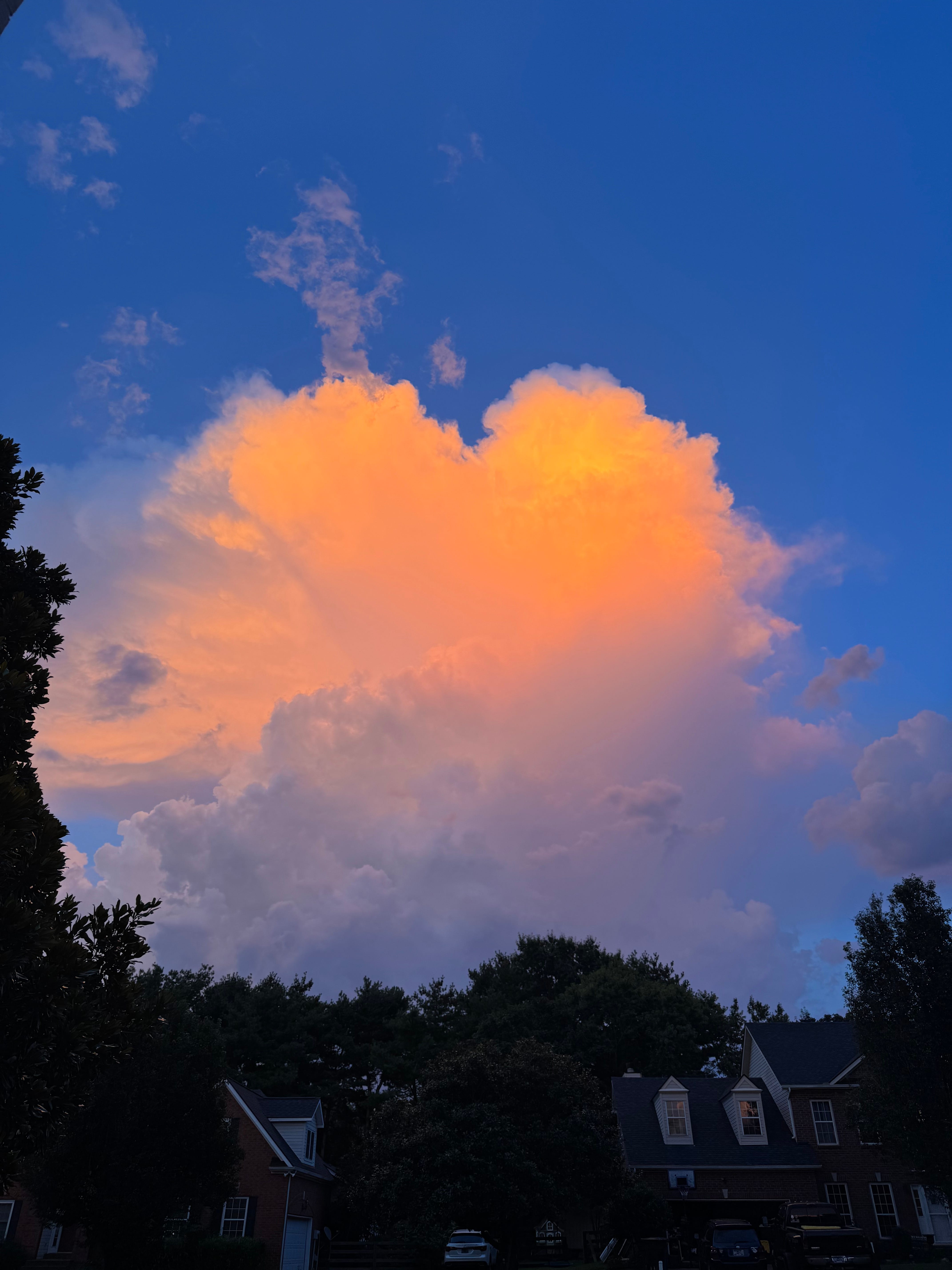
Like the leaves animated by the wind, my discernment committee friends are living signs pointing me to God and a new chapter in the story. They talk to me about the things of God. They are the Spirit of life reaching out to me, drawing my gaze upward and helping me hear what God wants to say.
We’ve already had two of our three meetings—the last one will be on August 3rd. We’ll still be in Ordinary Time, trudging through the heat and humidity of a typical Tennessee summer. After that, Lord willing, I will be ordained into the Diaconate of the Episcopal Free Fellowship of America, the Diocese of Saint Patrick, in the Order of Berrigan and Day. (I have no idea if I said that right. I still have much to learn.)
It can be unsettling to relinquish who we think we are, and scary to stop clinging to what we have and what we do, but I share this on Pentecost as a reminder that God still can and does surprise us. If we lean into the ebb and flow of liturgical time and ministry, if we discern the movement of the Spirit and allow ourselves to be caught up with the wind, we can expect the unexpected—the miraculous embedded in the ordinary—and be brought into the story of God’s ways with the world.
May you be surprised at Pentecost, friends.
Henri Nouwen, Discernment: Reading the Signs of Daily Life (New York: HarperOne, 2013), 58, 61. Another book I highly recommend.
Robert A. Jonas, from the Forward in Discernment, xviii.
Nouwen, 80-81.
So good, Julie, as always. This old Baptist (barely) preacher preached his first ever Pentecost message today. God has used liturgy and the holy days to bring such blessing to my walk.
I love this Julie. I have loved learning about the liturgical year through writers on substack and especially about Pentecost Sunday. It’s such an important celebration to recognize in the church. Our church does not observe the liturgical calendar but I’m so thankful that you and other writers are leading and teaching us on this. I have so many more thoughts but I’m pondering them all. Thanks for sharing your journey.